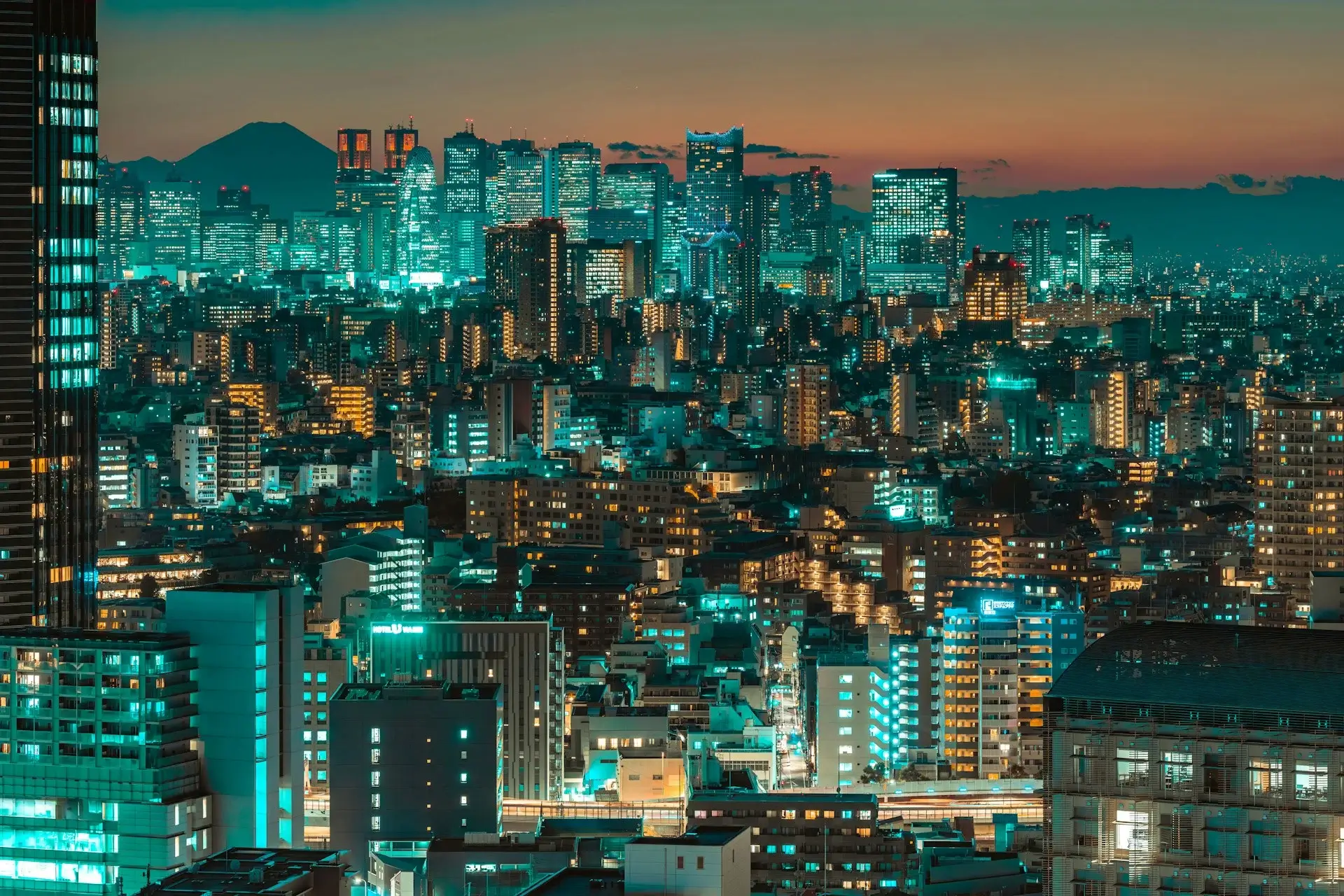
There is a fashion today, almost a fever of globalized vanity: the urge to boast that one has been to Japan. To post a selfie in the heart of Tokyo, among skyscrapers of steel and glass; to film oneself in Osaka, surrounded by the electrifying glow of neon advertisements; to present oneself sipping matcha tea as if it were a cultural revelation, or to capture the enigmatic smile of a geisha like an exotic trophy. Many return with thousands of photographs and not a single trace of understanding. For Japan is not discovered through the lens of a camera, but through the eyes of the mind.
To feel its true pulse, one must enter its deep history, into the Edo period — that age of severe harmony and spiritual refinement, when honor and duty were written in blood, and the sword was not merely a weapon, but an instrument of moral perfection. It was then that the spirit of the samurai was born — that code of loyalty and sacrifice, Bushido, which transformed the warrior into a model of ethics rather than a mere soldier.
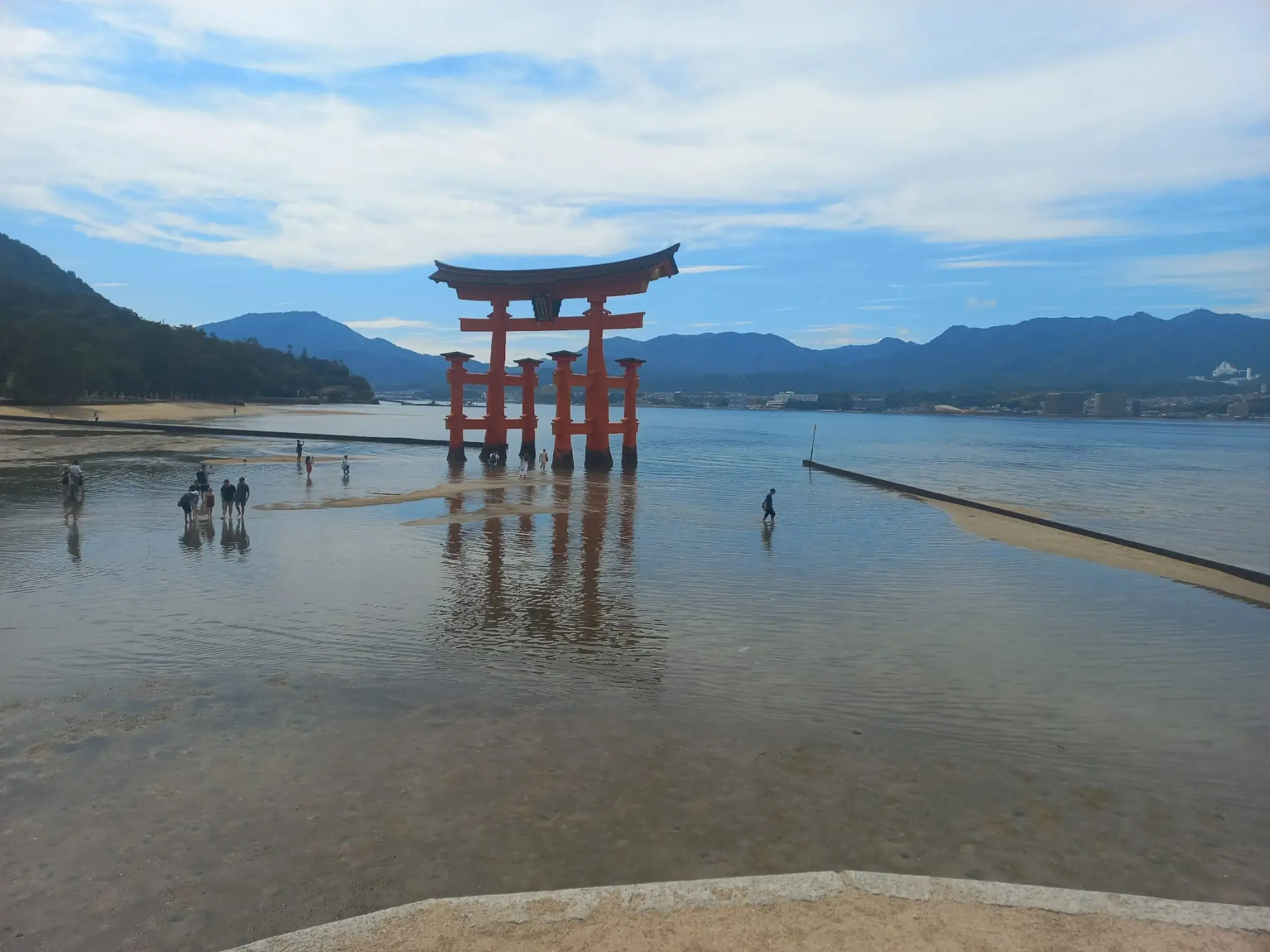
Even today, Japan preserves its sacred places, where Torii — those red gates marking the boundary between the profane world and that of the spirits — stand guard at the threshold between present time and eternity. In temples steeped in silence, beneath the branches of blooming cherry trees, history is not a memory, but a breath felt in the air, a resonance that makes one understand that the past has never truly died.
Yet beyond refinement and ceremony, Japan is also a land of iron and fire. A country shaped by wars, imperial ambitions, and dreams of expansion. Toyotomi Hideyoshi — the great unifier — was the one who brought together the scattered clans of the archipelago, creating the foundations of the modern Japanese state. But the same Hideyoshi, blinded by a thirst for glory, sought to conquer China through Korea. From this madness were born two lost wars, in which his army of two hundred thousand samurai was defeated by the allied forces of Koreans and Chinese.
The expansionist spirit did not die with him. It was passed on like a smoldering flame, reignited in the twentieth century, when Japan allied itself with Nazi Germany, once again dreaming of global domination. And yet, defeat did not descend from the sky, as it is taught today in textbooks, in the form of the two atomic mushrooms over Hiroshima and Nagasaki. The truth, buried beneath layers of propaganda, is different.
Japan did not stop because of the American bombs — through this version, manipulators attempted to minimize the most odious crime against humanity: the experimentation of a nuclear weapon on a civilian population. Odious. Criminal. Even so, the Japanese generals did not wish to capitulate; they were prepared to fight to the last man. The historical secret lies elsewhere: the terror inspired by the Red Army, pouring like a sea of fire across the borders of Manchuria, capable of defeating them with ease.
The Emperor — the Son of Heaven, symbol of a cosmic order — had to be saved at any cost. And Japan’s leaders understood that falling under Soviet occupation would have meant the end of the empire, of tradition, of the Japanese soul itself. They therefore chose what they considered the lesser evil: a pact with the Americans, the very ones who had unleashed nuclear fire upon them. An irony of history.
This truth, quietly ignored by historians paid “with thirty pieces of silver,” says more about Japan than a thousand tourist guides. For this nation is not defined by defeats or conquests, but by the tenacity with which it defends its essence.
To speak of Japan, therefore, is to evoke not merely a country, but an ancestral spirit — a living consciousness breathing simultaneously in past and future. It is a civilization that acknowledges its shadows, yet transforms them into light; a world in which honor, discipline, and dignity are not mere words, but ways of being.
Japan is not visited to capture the fleeting spectacle of cherry blossoms, but to enter the mystery of loyalty and sacrifice — to understand how beauty is born from rigor and courage.
Japan is not traversed; it is contemplated. It is a call of the spirit, a gateway between tradition and modernity, between sword and the cold glow of the screen, between the solemnity of the temple and the vibration of the bullet train. In that fragile, almost mystical balance between old and new, between human and mechanical, lies its true essence — a beauty that does not ask for applause, but for a moment of recognition and reverence.