I returned home after an incursion that shook me to the very roots of my identity. A kind of baptism of light and shadow, unfolding on the South American continent, where history still breathes beneath the skin of every city, and where people carry in their eyes what Europe has never truly managed to understand: the dignity of pain and the naturalness of miracle.
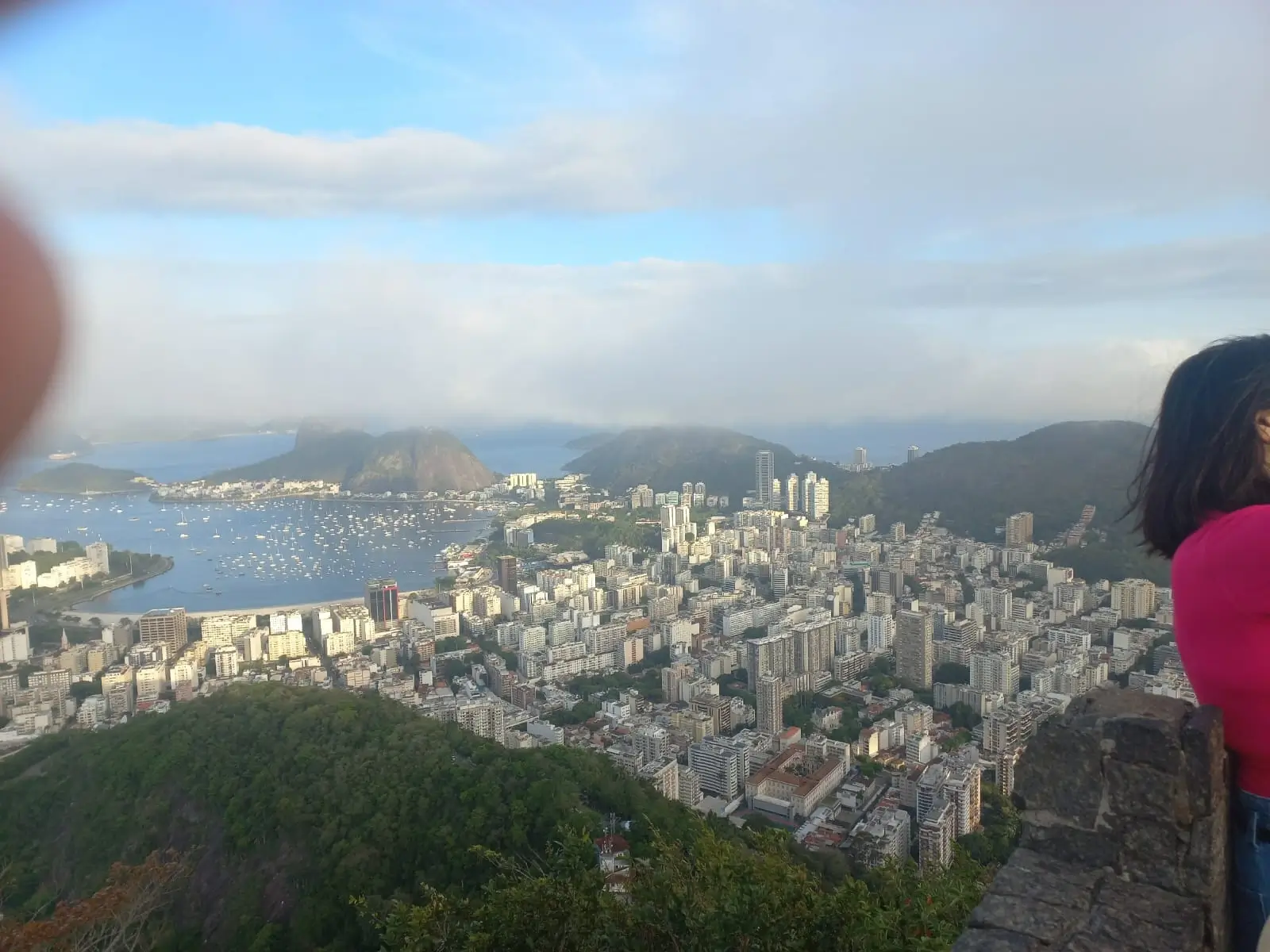
I arrived first in Rio de Janeiro. A city that strikes your senses without warning, as if it wanted to wake you from all the moral drowsiness accumulated over the years. I did not go there in search of Paulo Coelho’s “philosopher’s stones” — I have never been an admirer of well-packaged pseudo-mystics. If we are to speak of Brazilian literature, I prefer the authentic force of Miguel Abrahao or the romantic depth of José de Alencar.
And yet, the spirit of this journey was not to walk in the footsteps of any of them. Strangely enough, I felt pursued by the shadows of other continental giants: Jorge Luis Borges with his ontological labyrinths, Gabriel García Márquez with the fantastic gallop of Macondo, Isabel Allende and her melancholic grace, Vargas Llosa with the political sharpness of his prose, or Cortázar — the metaphysical juggler of everyday absurdity.
I sought none of them, yet I felt them all, floating somewhere in the air, in the dust of the roads, in the palm-filtered light, or in the voices of Bolivian markets. Only then did I understand that one does not need to follow a writer to grasp their universe — sometimes, it is enough to breathe the air that shaped them.
Thus began my wandering, together with a group of Romanian travelers, through four countries of a continent that seems never to have doubted its own intensity: Brazil, Argentina, Bolivia, and Peru. I had set off with the thought — perhaps too arrogant, perhaps too naïve — of searching for “the man lost in the century of stupidity.” Instead, I found something else.
I discovered a universe that thawed neurons numbed by the lethargy of everyday concerns. I felt, almost physically, an old shell of resignation cracking within me. South Americans, with their roots deeply anchored in pre-Columbian civilizations, taught me — unknowingly — a simple philosophy of survival, joy, and fatality.
I explored metropolises and favelas where death and laughter tolerate one another like two impoverished neighbors. I encountered the happiness of the simple man — that kind of happiness which we Europeans regard with the suspicion of those too accustomed to their own cynicism.
At altitudes where the air becomes an unfinished prayer, I drank coca tea, attempting to deceive the dizziness brought on by four thousand meters above sea level. Instead, I deceived myself: that ancestral plant told me, in its own vegetal way, that those who climb mountains in search of overly complicated meanings should sometimes allow their pride to rest.
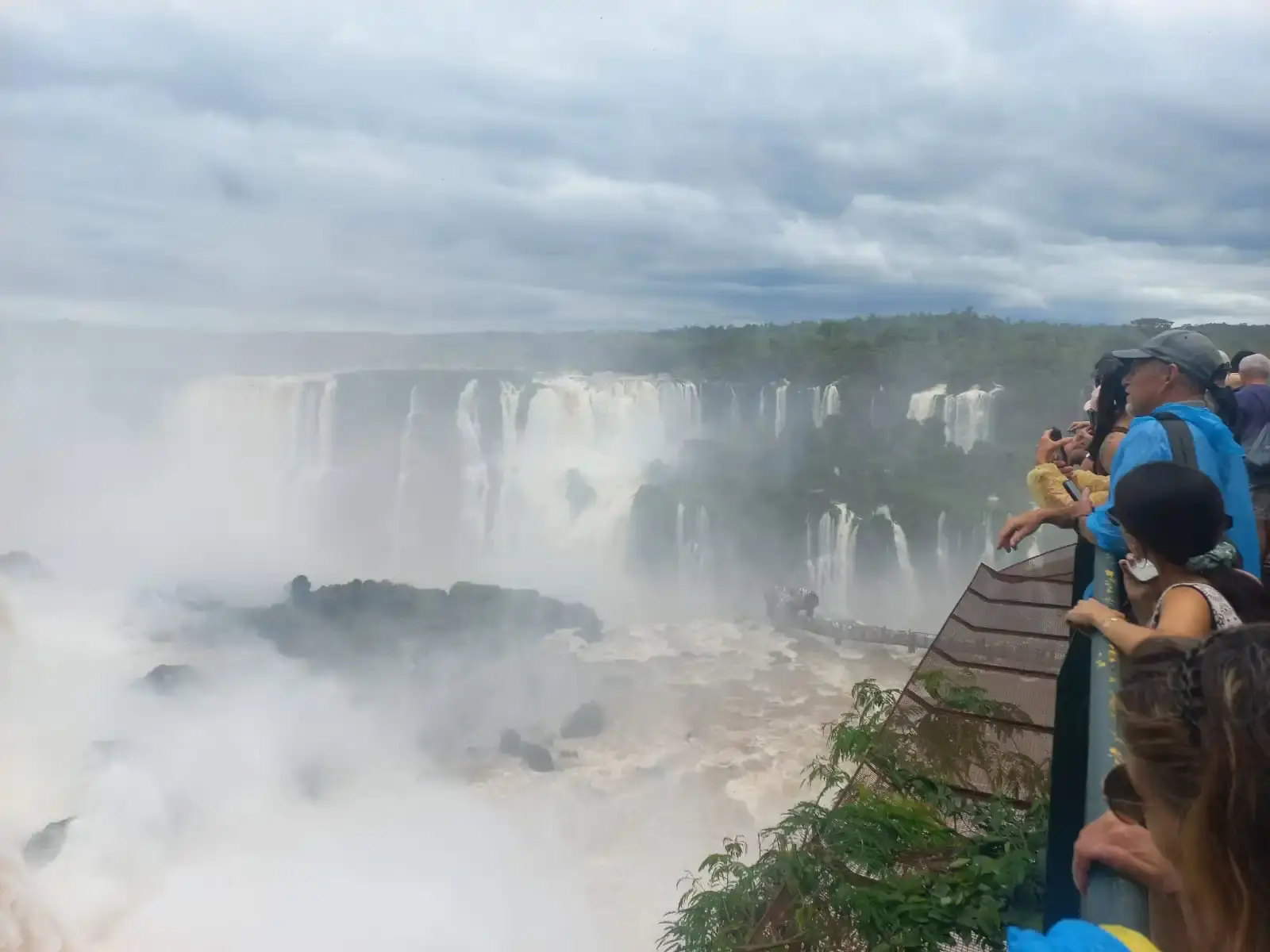
I witnessed the grandeur of Iguazú Falls, where water crashes down with the fury of a forgotten god, like a reproach addressed to modern civilization. I sailed across Lake Titicaca, where sky and water share the same shade of mythological blue.
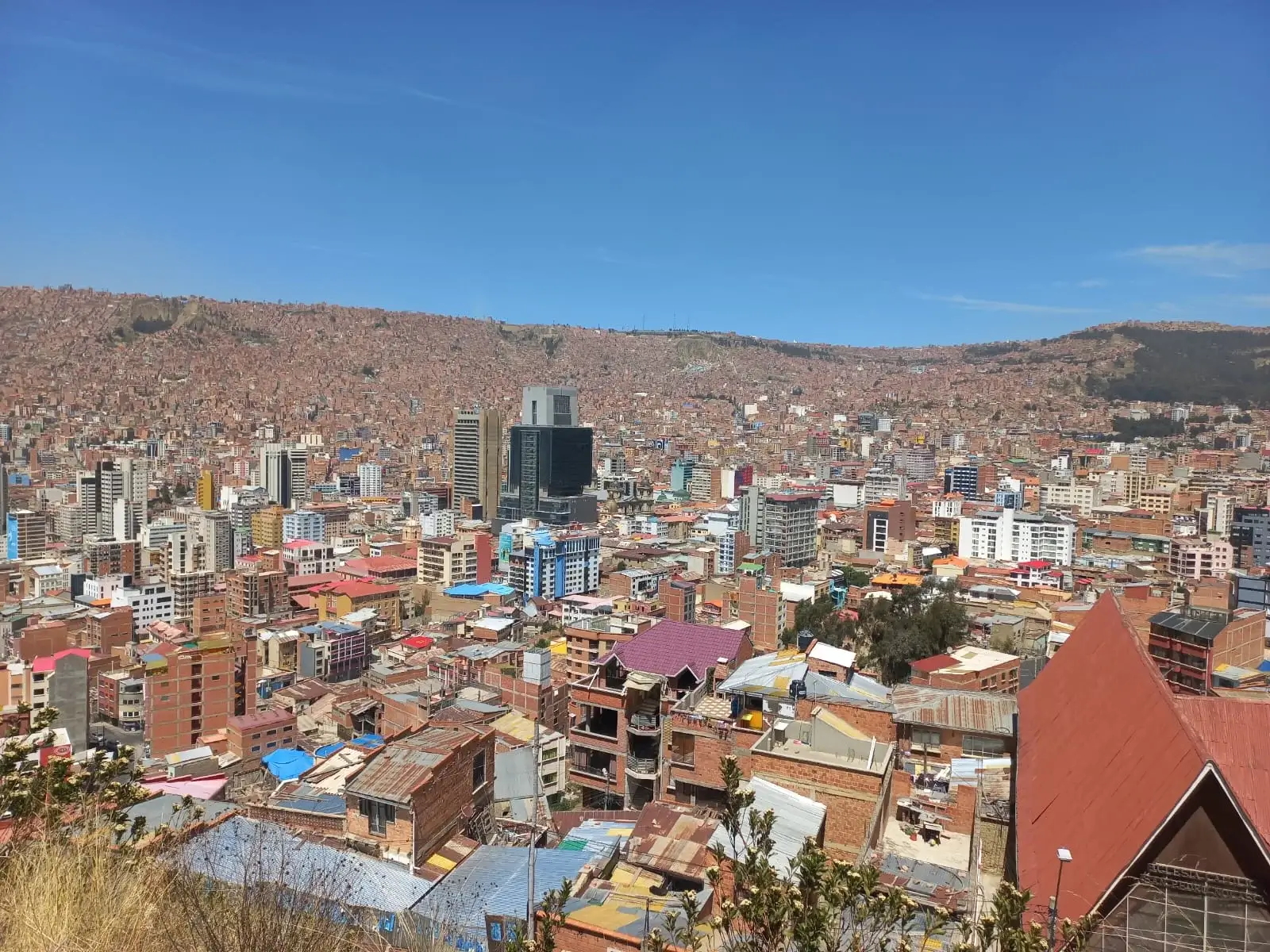
I crossed Bolivia and felt the pulse of La Paz — a city suspended between earth and unattainable heights, seemingly trapped in a time of its own. I arrived in Peru, where I stepped into the Sacred Valley as though entering a stone library built by hands more skillful than those of angels.
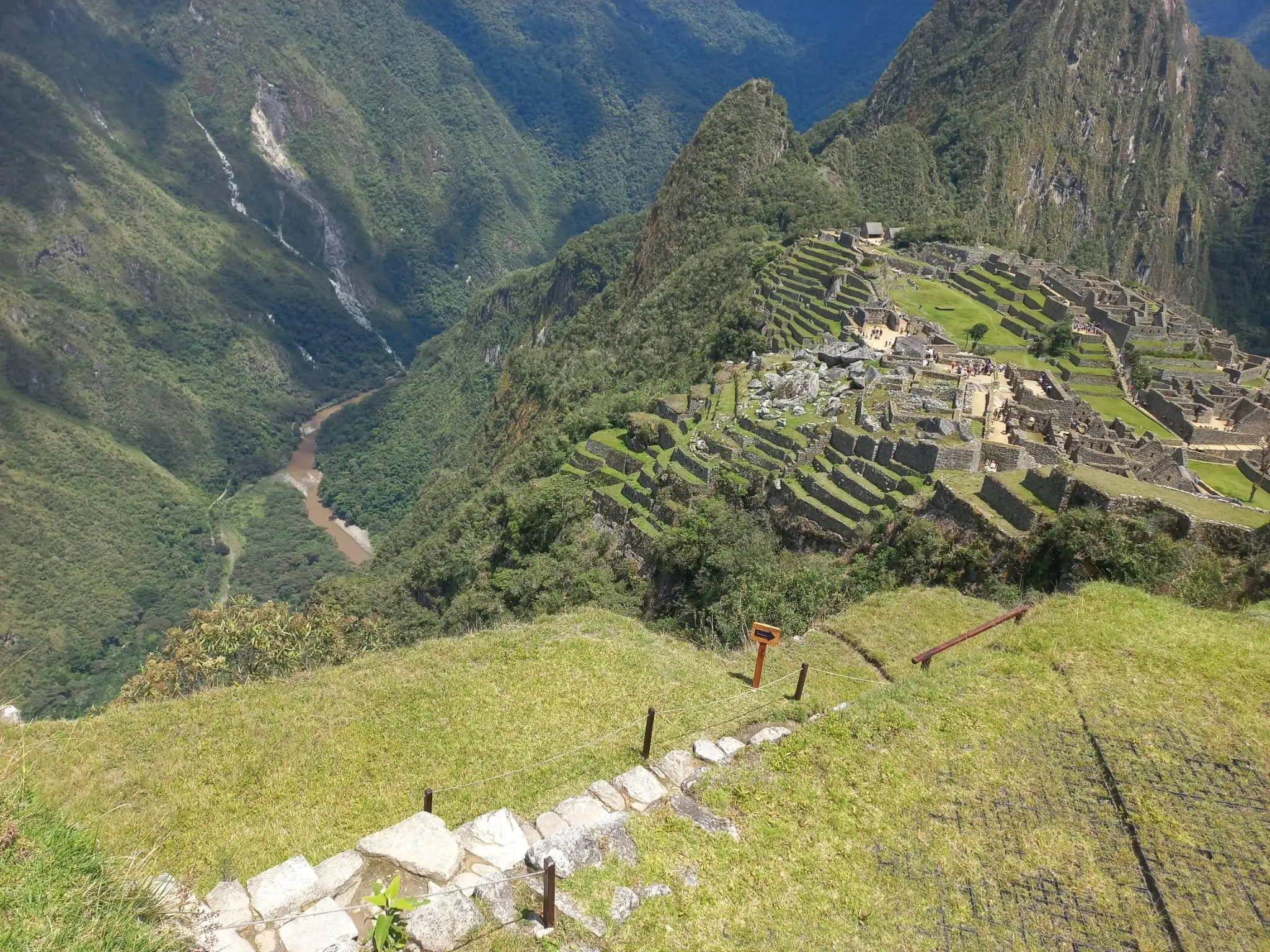
Machu Picchu looked down upon me with the patience of a civilization that knows humanity never fully learns the lessons of the past.
Then came Paracas, the oasis of Huacachina with its dunes like yellow silk cast upon the earth, and the Pacific Ocean, where I sailed toward the Ballestas Islands.
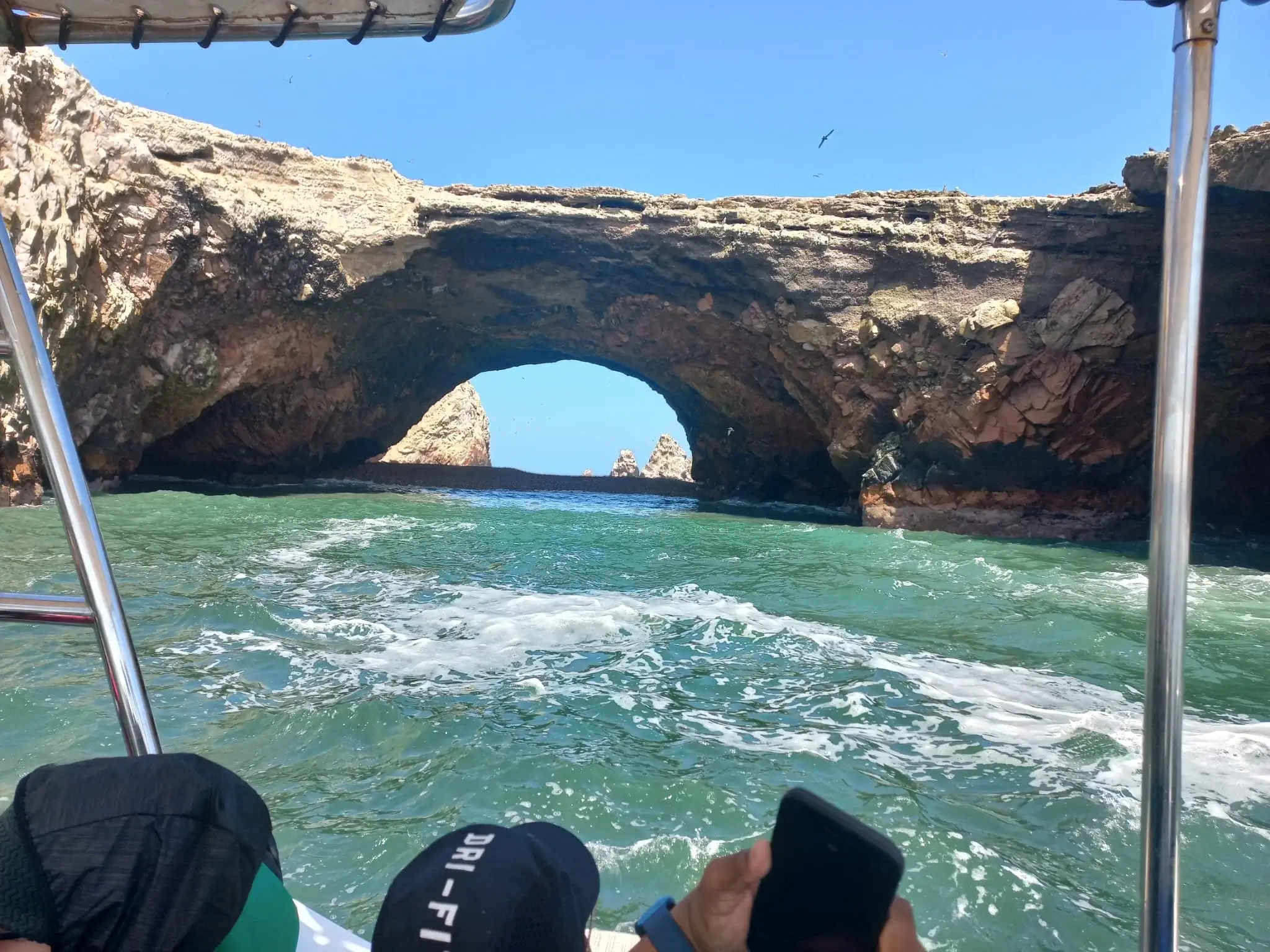
There, among shy penguins and sea lions resting on rocks like dreaming patriarchs, I understood that the world remains — beyond all our small disappointments — a living, delicate, and unrepeatable organism.
And then Lima — the capital of former kings — opened itself to me through its old walls, where time still preserves the echoes of empires and the melancholic tremor of nostalgias unwilling to fade.
And then… the road back home.
I have much to say — far too much to fit into a single text. I will unfold it all, piece by piece, in future articles. This was only the opening, the joy of returning with a quiver full of true stories.
And perhaps also with a small, yet priceless personal victory: that of having rediscovered, even if only for a moment, the wonder of the child who refuses to forget that the world remains vast and charged with meaning.