At the edge of the civilized world, where borders dissolve into the breath of rivers and where history seems to pause before starting anew, there lies a modest yet deeply symbolic marker: the point where three South American nations — Argentina, Brazil, and Paraguay — meet, as if in a firm handshake.
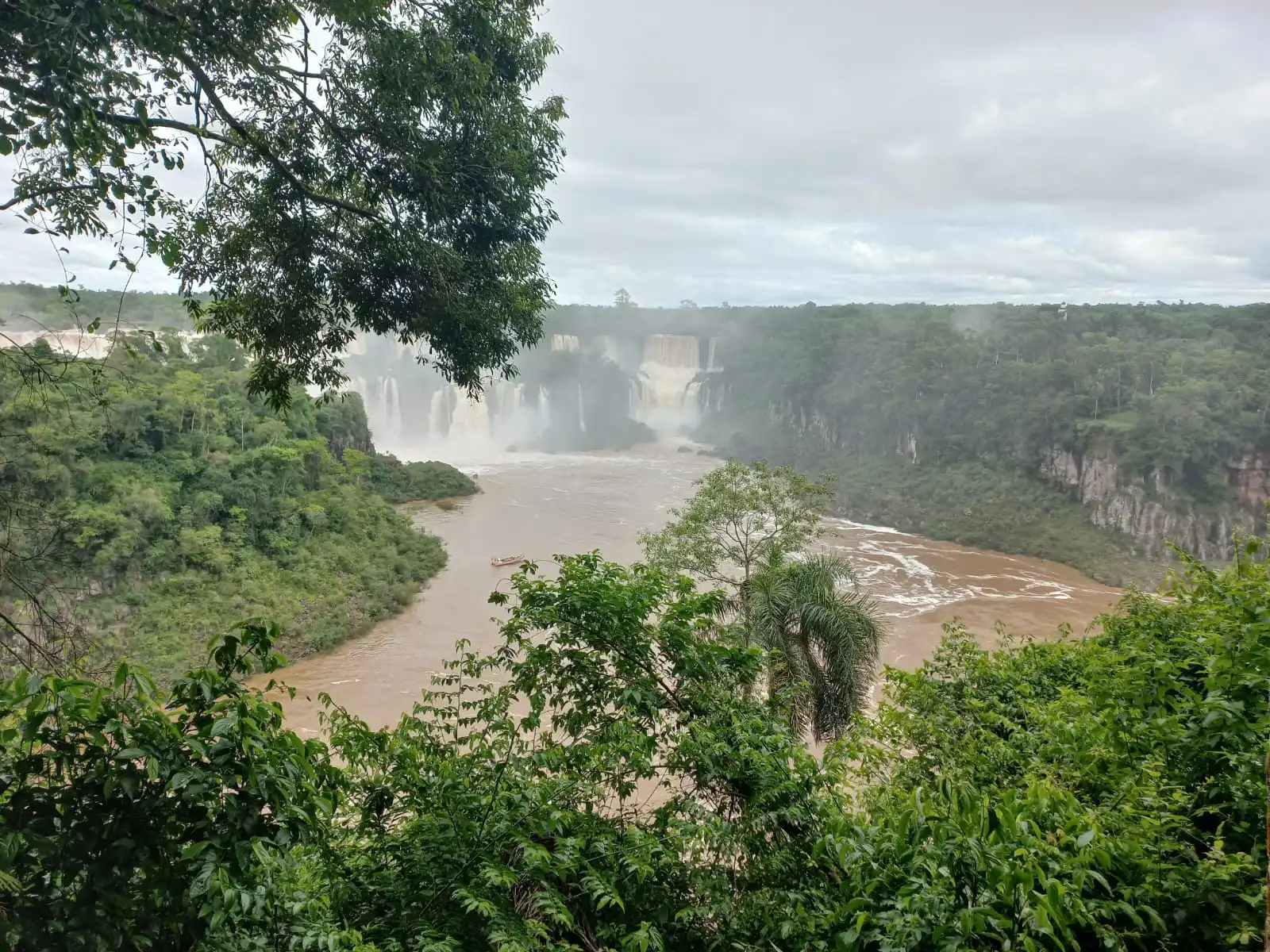
Around it unfolds a land that feels torn from the pages of forgotten stories — a geography of miracles where the Iguazú and Paraná rivers meet, intertwining their waters like two destinies that never learned how to exist apart.
In this corner of the world rise three border towns, each with its own heartbeat and character: Puerto Iguazú, with the sober elegance of Argentine soil; Foz do Iguaçu, pulsing with Brazil’s warm and expansive rhythm; and Ciudad del Este, charged with Paraguay’s restless and vibrant energy.
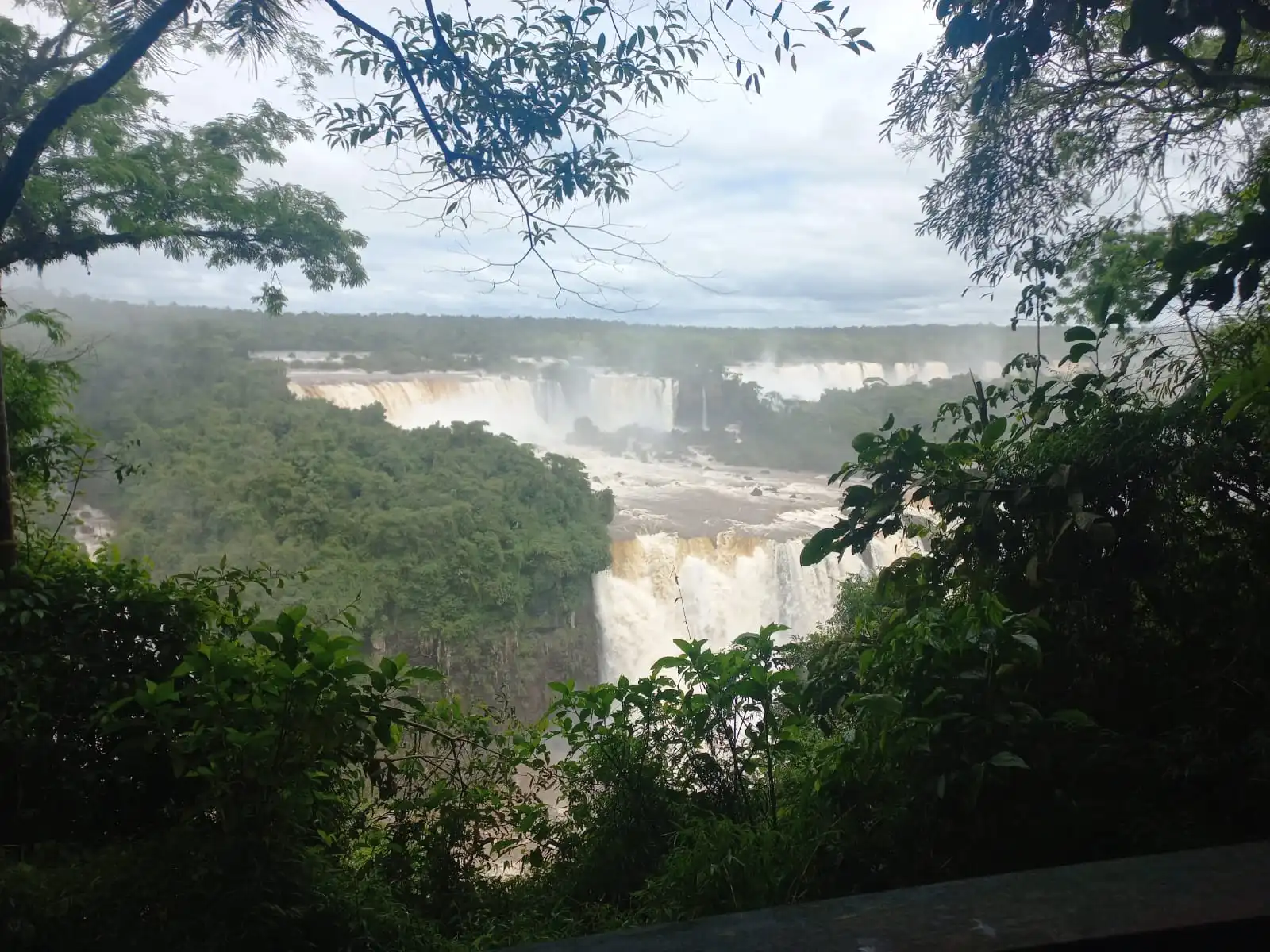
All of these human creations, however, fade into insignificance before the true ruler of the land: Iguazú National Park — a sanctuary where the subtropical forest whispers ancient legends and nature asserts its sovereignty with astonishing force. Here, at its very heart, reigns Iguazú Falls — a symphony of water and light unfolding along 2.7 kilometers of the border between Argentina and Brazil. More than 270 waterfalls, each with its own rhythm and personality, merge into a masterpiece that defies any human description.
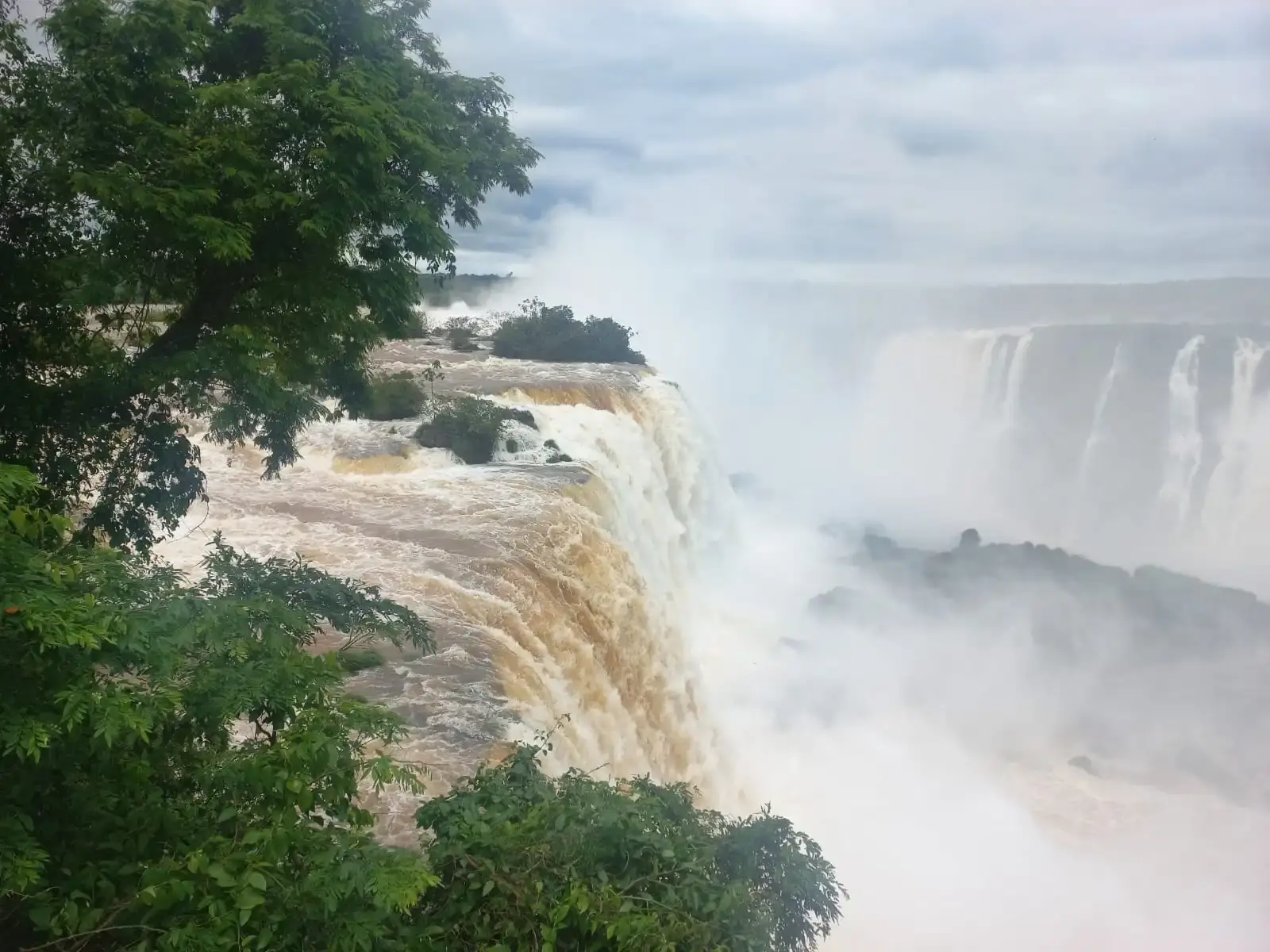
It is a place one must see at least once in a lifetime — a place that not only enchants, but deeply unsettles, forcing you to ask, in the presence of such nearly unreal beauty: how many wonders like this does our world still hold? And how many await us, ready to illuminate our existence, if only we had the courage and humility to truly see them?