Everything you think you know about China — everything the news, articles, and analyses have told you — all those artificial images of a distant, rigid world — dissolve like a thin mist the moment you set foot on its soil. China is a country that must be felt, not merely seen; a civilization that overturns your certainties and shows you that the Western model is not the only path to fulfillment.
For thousands of years, this people have built their existence upon a subtle balance between strength and gentleness, between spirit and matter. Here, the past is not a burden, but a living foundation. Their history — revered, restored, celebrated — coexists harmoniously with a technological present that pulses through vast metropolises. Beyond skyscrapers and trains gliding on magnetic cushions, you sense the breath of a culture that has learned to merge tradition with the future.
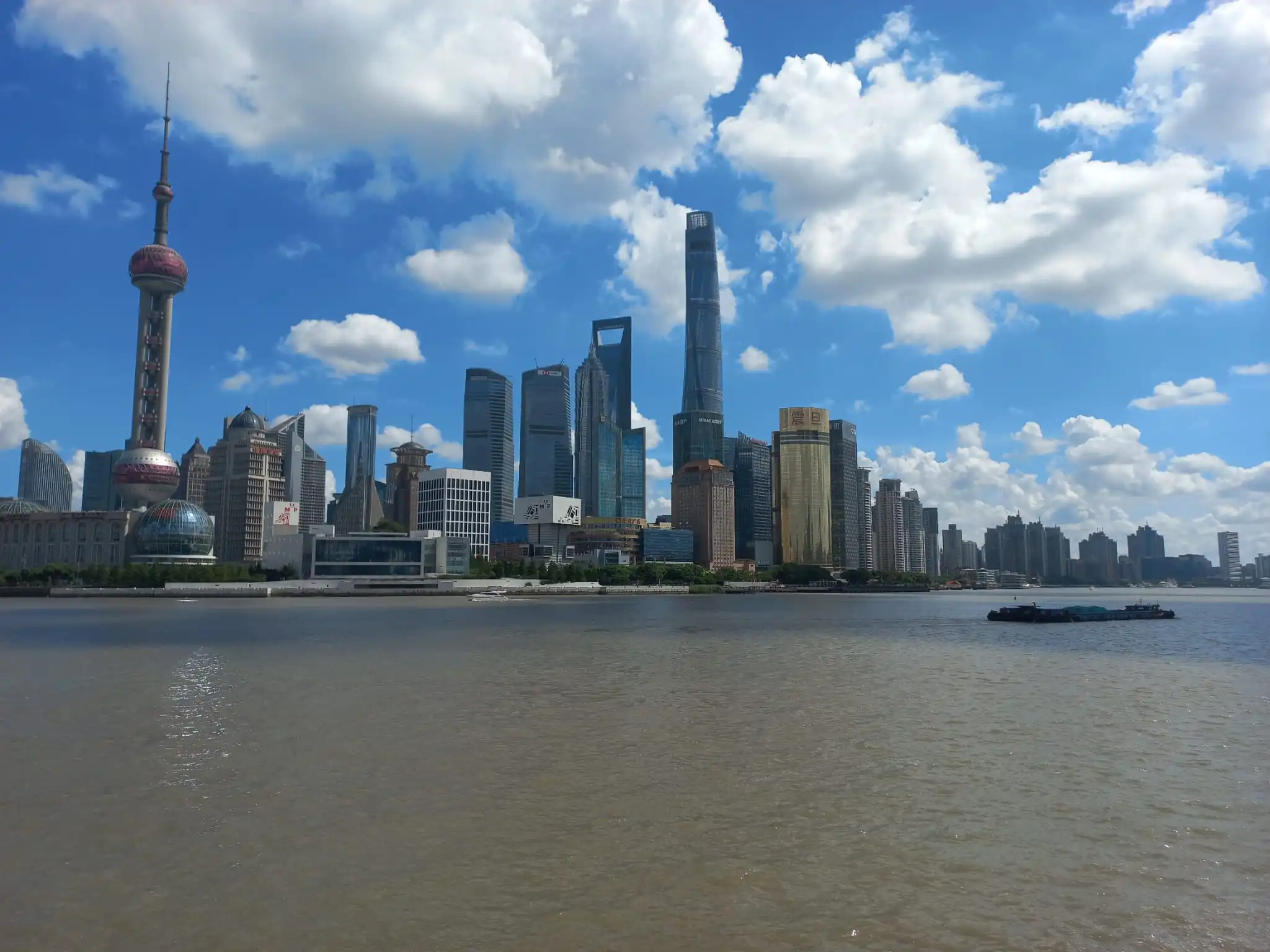
China welcomes you with a warm smile and an almost poetic sense of order. On the streets, people radiate a quiet calm — not indifference, but the confidence of those living within a functional system. You see no homelessness, no chaos, only a natural flow of life guided by respect and discipline. Shops shine like art galleries, cars are immaculate, and the infrastructure feels as though it belongs to a future that has already arrived.
Chinese hospitality carries something of the nobility of ancient dynasties. Every gesture, every cup of tea, every exchanged glance conveys a sense of belonging to a vast community that still believes in kindness and balance. Social programs embrace all layers of society, and the result is visible: a serene, safe, prosperous country. A country that, in a mysterious way, seems happy.
Of course, the road to this moment was long and often painful. The last century brought immense suffering, revolutions, and famine. Yet the Chinese people learned how to transform tragedy into strength. Today, nothing seems capable of stopping them. Their development is breathtaking — a spiral of energy, ambition, and practical wisdom.
When you arrive in megacities such as Shanghai or Chongqing, each home to over thirty million people, you feel as though you have stepped into another dimension: vertical cities bathed in light, suspended bridges crossing colossal rivers, and an urban order that leaves you in awe.
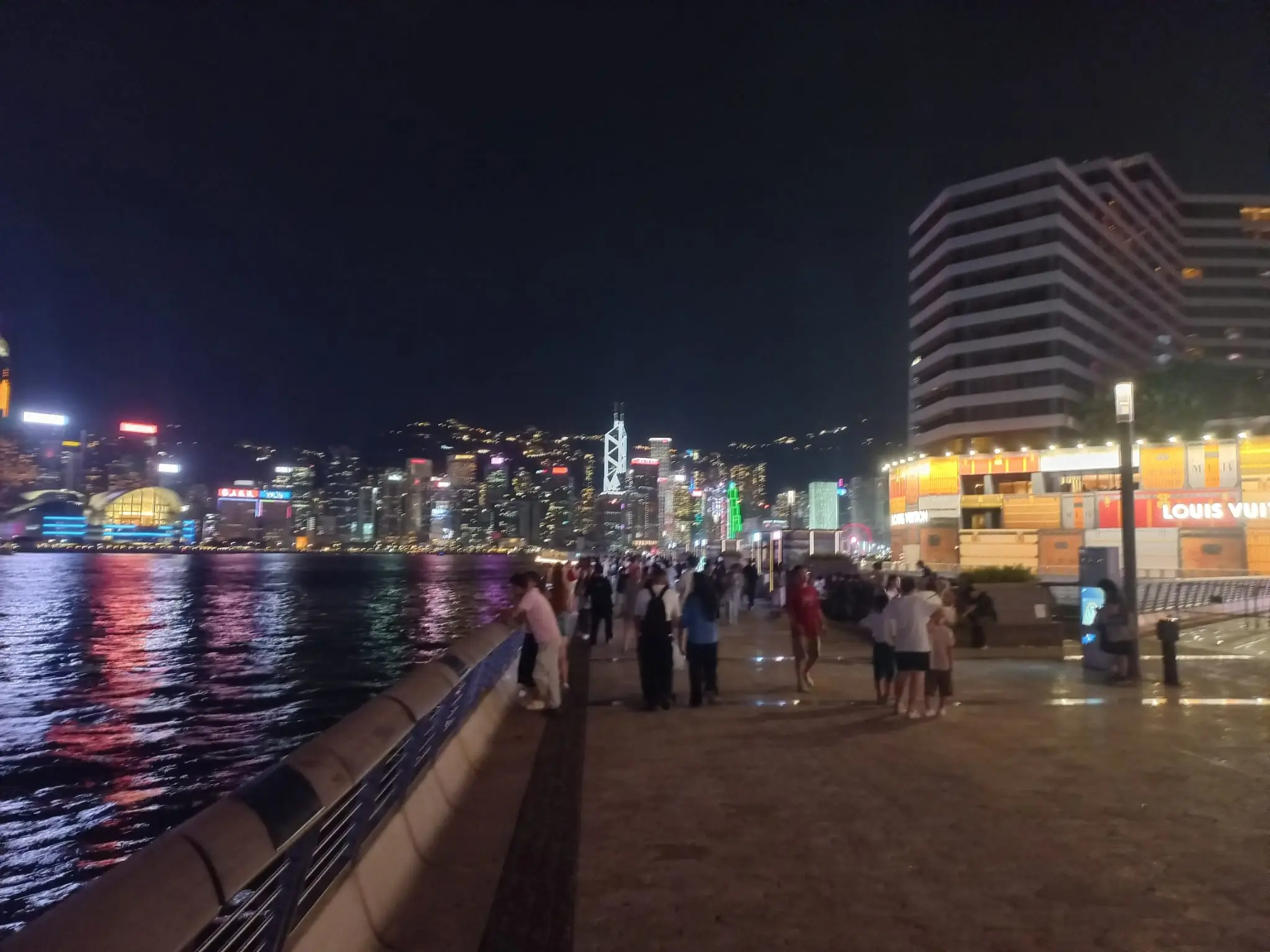
Then the journey carries you into the heart of history: the Great Wall of China, winding through mountains like the backbone of a civilization; Beijing, the monumental capital where imperial legacy and modernity coexist with rare grace — Tiananmen Square, the Forbidden City, the Summer Palace, the Temple of Heaven.
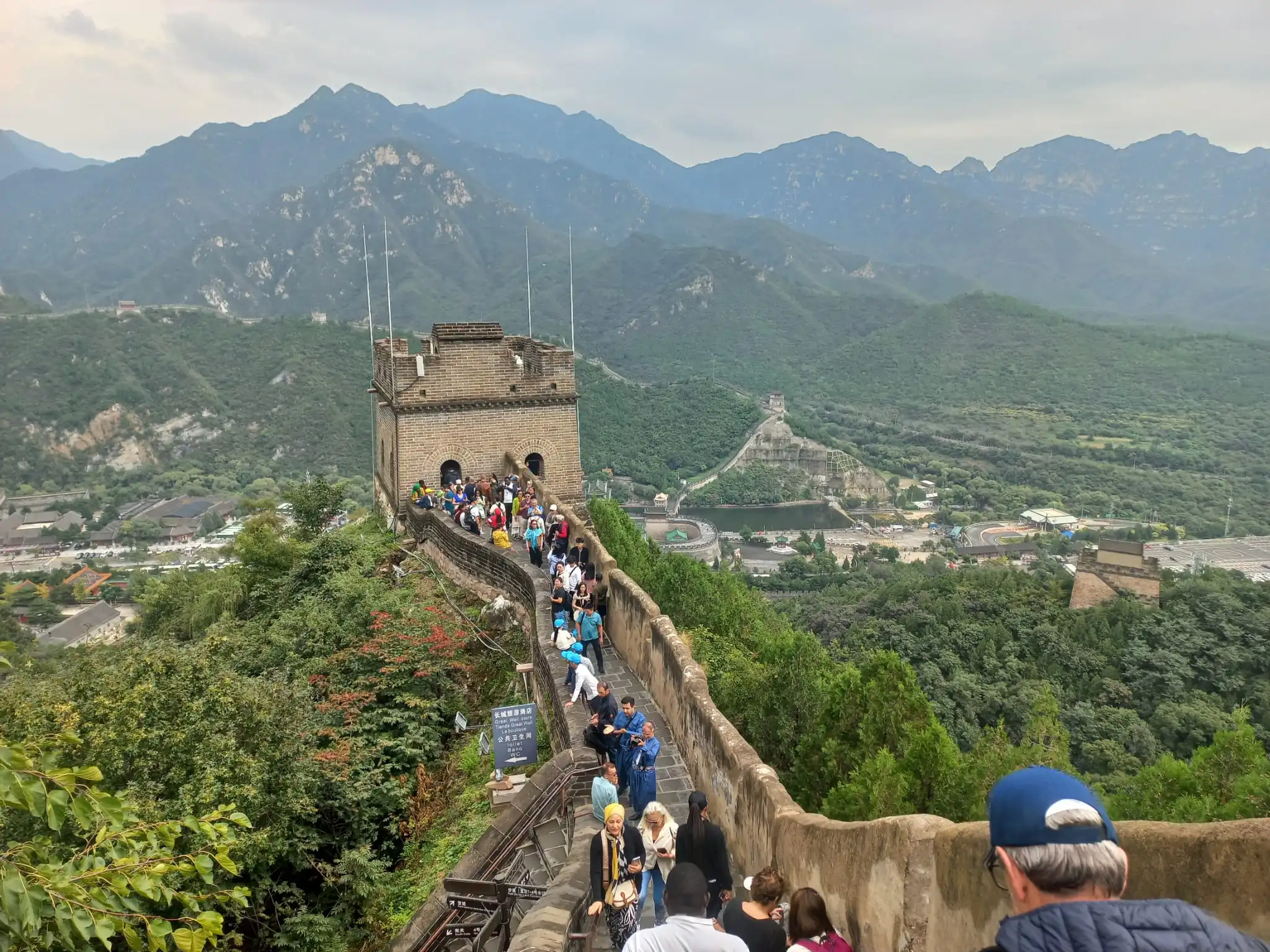
Further south, Hong Kong emerges as a miracle of controlled globalization, while Macau blends Portuguese spirit with Asian elegance. Then come the legendary cities of the Silk Road: Suzhou, with its ethereal gardens and canals that resemble an Eastern Venice; Tongli, the town of water and serenity.
Cruises along the Yangtze or the Li River carry you through landscapes that seem painted by gods — fantastical cliffs, mist floating above the water, villages suspended between worlds. And when you reach Guilin, you feel as though you have stepped into a Taoist poem — a realm where sky and earth meet in cosmic stillness.

China is not merely a travel destination. It is an initiatory path. An experience that changes you, purifies you, and draws you closer to your true self. In incense-scented temples, in pagodas rising toward the sky like silent prayers, in the calm of people practicing Tai Chi at sunrise, you discover a spirituality that is discreet yet profoundly deep.
Here, religion is not a dogma, but a form of inner balance. Perhaps that is why people appear more serene, more at peace. They live according to their own rhythm, within a harmony the Western world has long forgotten.
China is, at once, a lesson in humanity and a prophecy of the future. It is not simply a country to be visited, but an experience to be lived. A wonder of the world, where every step, every glance, and every moment seems to bring you closer to a simple and universal truth: that happiness sometimes lies in the order of things, in respect for one’s roots, and in the meaningful harmony of those who know how to live at peace with themselves.