A boomerang cast into the air is not merely an object, but a living metaphor of a continent that seems, again and again, to reclaim its own essence. Australia has long ceased to be that penal colony, a harsh fringe of the world where destiny was written in chains and exile. Time has erased the traces of that austere beginning, and over them another story has settled — one of rediscovery, reconciliation, and an unexpected harmony.
The land here seems to live differently. The air has a clarity that does not belong solely to geography, but rather to an inner stillness of things. The Aboriginal peoples, witnesses of history, appear today more at peace with the rhythm of the modern world, as if they have managed to weave ancestral memory into the present without losing their roots. In this vastness, nature is not dominated but respected, and man seems, at last, to have learned not to be a master, but rather an element integrated into the natural order.
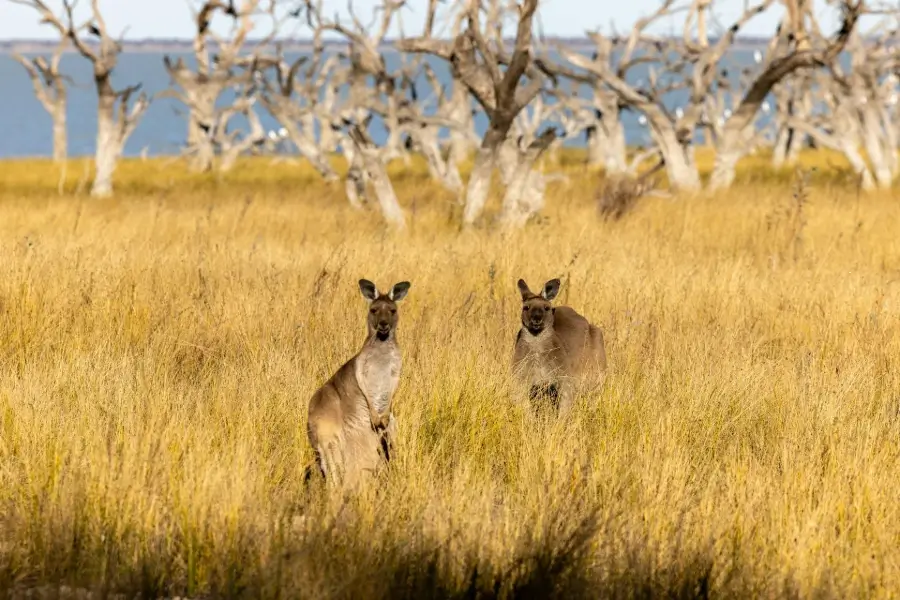
Australian mornings carry an almost childlike joy. Kangaroos resume their elastic leaps, koalas live their contemplative existence in the quiet of the eucalyptus trees, while other creatures inhabit their natural world without fear.
The sun, when it rises, does not merely illuminate — it drapes the world in its rays like a warm veil, sliding over fertile expanses, over vineyards that seem to absorb light and transform it into fruit. It is a spectacle of simplicity and fullness.
Australia is, after all, a harmonious paradox. Here, diversity does not create fractures, and traditions, instead of being buried beneath the concrete of modernity, continue to exist alongside it in a rare symbiosis. Cities do not crush nature; rather, they include it, reflect it. And the people — those whom it is often said define the spirit of a place — are warm, open, respectful.
It is not a superficial politeness, but rather an attitude that springs from a deep understanding of the other’s freedom. I felt this most strongly in the great cities, each with its own rhythm and story. Yet, among them all, Sydney remains a singular revelation — a city that does not merely offer itself to the gaze like a backdrop, but also to the soul. There is in it a rare form of urban romanticism — discreet, subtle, slowly seeping into perception.
With every step, past and present meet without conflict. Colonial-era cultural buildings stand beside skyscrapers that seem to touch the clouds, like sentinels of modernity, in a dialogue between epochs. Museums, libraries, and bookstores are not merely spaces; they become refuges of memory and spirit. Wide parks, statues of early pioneers, imposing cathedrals — all form a dense weave of history and emotion.
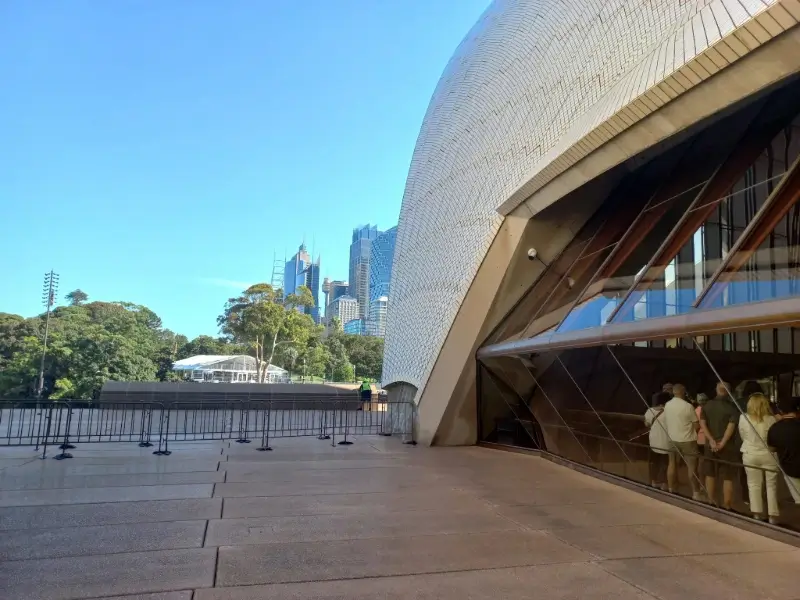
The harbor, in all its splendor, is full of life, while the unmistakable silhouette of the Opera House appears less like a human creation and more like something born of nature itself — a shell opened toward sky and water, a metaphor of art elevated into landscape. The beaches, the bays, the light playing on the ocean’s surface — all of these are true wonders.
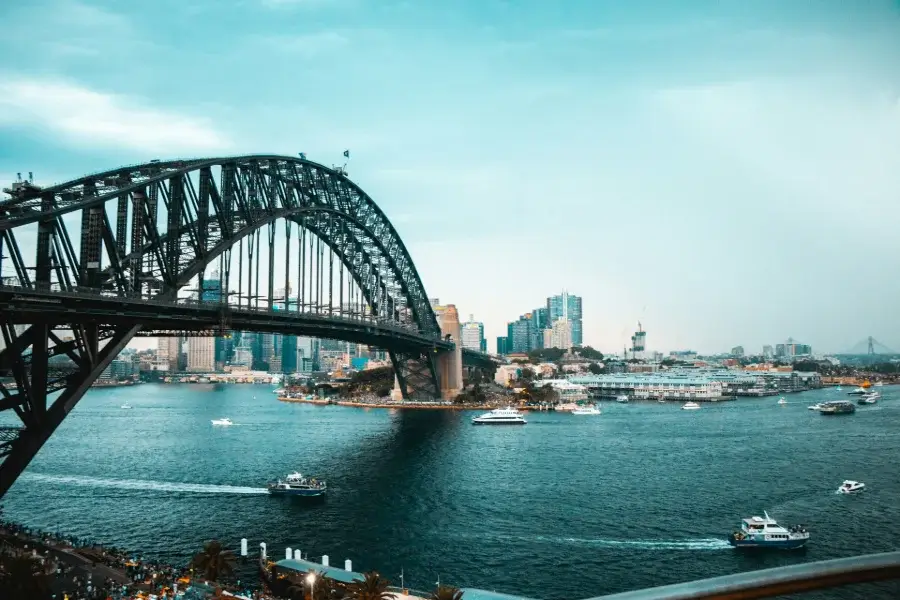
And perhaps most surprisingly, the entire city gives the impression of a vast park. Not a park in the ordinary sense, but rather a living one, in which every corner tells a story. Sydney does not tire, does not bore, does not exhaust itself. It is a presence that accompanies you even after you have left.
To see Sydney is not merely to visit a city. It is an experience that transcends the senses, like a revelation — an encounter with a world that seems, for a moment, perfectly balanced. And if life grants you the chance to reach it, at the seemingly farthest edge of the earth, you feel that the journey — however long — was not in vain. It is, in a way difficult to explain, a blessing.